
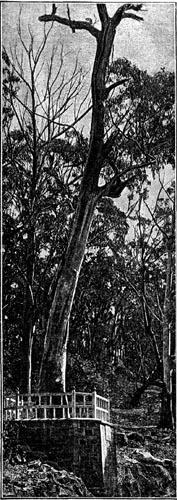
2. The New South Wales Corps.—In 1790 a special corps had been organised in the British army for service in the colony; it was called the New South Wales Corps, and was intended to be permanently settled in Sydney. Very few high-class officers cared to enter this service, so far from home and in the midst of the lowest criminals. Those who joined it generally came out with the idea of quickly gathering a small fortune, then resigning their commissions and returning to England. The favourite method of making money was to import goods into the settlement and sell them at high rates of profit; and, in their haste to become rich, many resorted to unscrupulous devices for obtaining profits. A trade in which those who commanded were the sellers, whilst the convicts and settlers under their charge were the purchasers, could hardly fail to ruin discipline and introduce grave evils, more especially when ardent spirits began to be the chief article of traffic.