
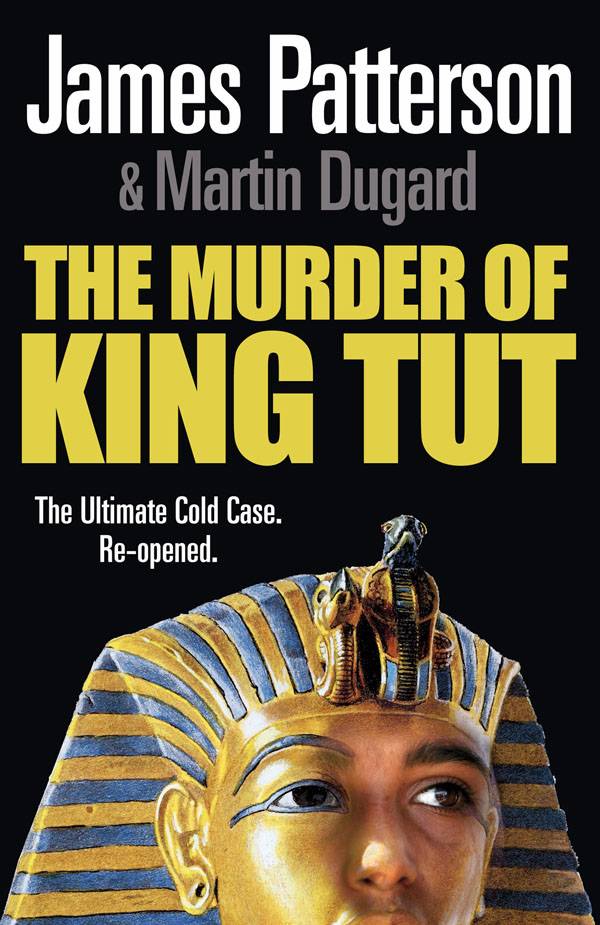
James Patterson, Martin Dugard
The Murder of King Tut
For Frank Nicolo
– JP
For Callie
– MD
Author’s Note
JUST LIKE THE ASSOCIATED PRESS, I have my own style manual. “JP Writing Style and Book Elements” is a list of nineteen bulleted points that I keep within arm’s reach whenever I’m working. Point number eighteen is written in capital letters, because no matter how often I read it, I need to be reminded that it is of the utmost importance: RESEARCH HELPS. DON’T FAKE ANYTHING-NOT BRAIN TUMORS, NOT DROWNINGS, NOT EVEN A BEE STING.
I don’t think I’ve ever done more research for a book. From the instant the idea hit me and I teamed up with Marty Dugard to write this story, it’s been total immersion in ancient Egypt. The book is a murder mystery, but the plunge back in time added a whole other layer of detective work. We didn’t just need to know the players in our drama; we also needed to know what foods they ate, the clothes they wore, how they loved, and, ultimately, the ways they might have killed each other.
Like number eighteen says: DON’T FAKE ANYTHING.
So we didn’t. Marty’s historical legwork involved trips to London and to Tut’s tomb in Egypt ’s Valley of the Kings. I lost myself in books and online research. We then combined our notes and began writing. One astounding fact about Egyptian history is that so much of it is still unknown. So when we came to a gap, we went back to the research for answers. Then we put forth our theory as to what happened. We constructed conversations and motives and rich scenes of palace life-all grounded in long hours of research.
It’s nothing new for histories to be speculative, but there’s a difference between guessing and basing a theory on cold hard facts. We chose the facts.