
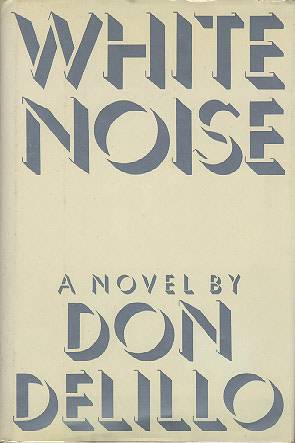
Don DeLillo
White Noise
Introduction by Mark Osteen
White Noise has often been dubbed Don DeLillo's "breakout book." This term is usually meant in one of two ways: either that the work has achieved greater commercial success than an author's previous works, or that it has raised the author's art to a higher level. In the case of White Noise, the second is arguable, but the first is definitely true, for the novel garnered the best reviews and strongest sales of DeLillo's career to that point. It is not difficult to understand why it became one of the most widely acclaimed fictional works of the 1980s: its mordantly witty anatomy of the postnuclear family; its sly satire of television, advertising, and academia; its letter-perfect portrayal of the sounds and sights of supermarkets, malls, and tabloids all strike chords that reverberate strongly with contemporary Americans.
When White Noise was first published in January 1985, reviewers were struck by its timeliness; indeed, appearing only a month after a toxic chemical leak at a Union Carbide plant in Bhopal, India, killed some 2,500 people, DeLillo's novel-with an "airborne toxic event" at its center-seemed almost eerily prescient. Although a few reviewers criticized its plot (or alleged plotlessness), found its witticisms too clever, or accused the author of "trendiness," these voices were drowned out by a chorus of praise. As they did in his earlier novels, reviewers recognized the validity of DeLillo's insights about the oppressive effects of contemporary cultural institutions and applauded the astonishing linguistic gifts White Noise displays in its sparkling dialogue and in Jack Gladney's alternately bemused, frightened, and self-critical narrative voice. Many readers found Gladney more approachable than the alienated protagonists of DeLillo's previous works; many adults- especially, I suspect, academics-would echo Gladney's blend of denunciation of and baffled appreciation for popular culture.