
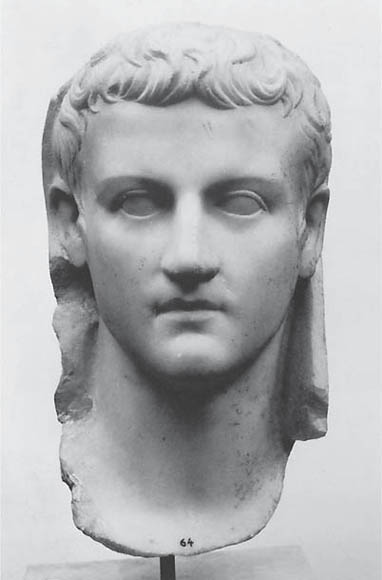
Figure 2. Bust of Caligula. Heraklion, Archaeological Museum, 64.
How did this contradictory, historically unique combination of republic and monarchy come about? One social and one political reason can be named. Like all highly developed pre-modern cultures, ancient Rome had a stratified society, with a deep division between the nobility and the non-noble population. The exercise of authority, whether in the military or in the civic sphere, had always been limited to members of the upper class. Even though the common people were included in the political process during the Republic, it was precisely their behavior that reserved authority for the noble families. For although elections were held regularly and were technically open to non-noble candidates, again and again those elected to political office (and thus to positions of military leadership) came almost exclusively from the same noble families. They were evidently the only men whom the common people were prepared to obey. Every emperor faced this situation. He needed the leading members of the nobility to command the Roman legions throughout the Empire and to perform civic functions in Rome itself. This group was identical, however, to the approximately six hundred men who composed the membership of the Senate — the most important Republican political institution — and the core of the Roman aristocracy, with whom an emperor thus had to have some kind of workable entente.
A second reason for the situation was more banal, but just as important. It involved the mortal danger to which all participants were exposed.